


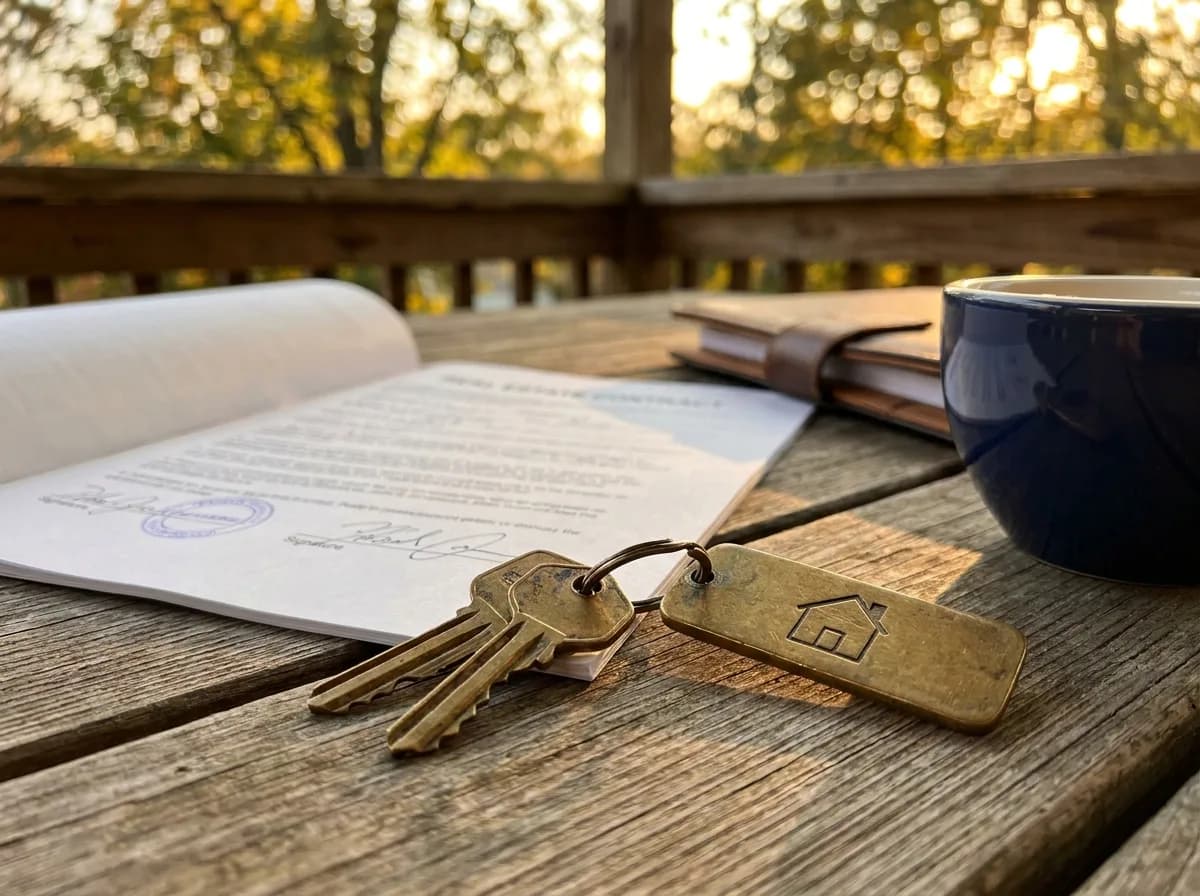
Top-dollar upside, guaranteed in writing.
The guaranteed sale is for homeowners who want the open market's best price but can't afford the risk of it not selling. You get both, the listing, and a written guarantee behind it.
- a guaranteed backstop price
- In writing
- exposure for top-dollar upside
- Market
- risk of being stuck unsold
- Zero
Licensed, verified, and reviewed by Sacramento sellers.
Every credential below links to the proof: the license, the filings, the certifications. The reviews are from real sellers on Google.
4.832 Google reviewsRead the Google reviews
On this page · 9 sections
- 01The problem it solves
- 02How a guaranteed sale works
- 03What to look for in any guarantee agreement
- 04Guaranteed sale vs. cash offer vs. traditional listing
- 05Who it fits best
- 06Preparing your home for the market (without overspending)
- 07A worked example
- 08Questions sellers ask about the guarantee
- 09Why the guarantee comes from a broker, not a middleman
A guaranteed sale answers one fear: “What if I list it and it doesn't sell?” You list for the best price the market will pay, backed by a written guarantee that it sells regardless.
How the guarantee works
Agree on a guaranteed price
Before listing, we set a written floor price you're comfortable with.
List for top dollar
The home goes on the open market to pursue the highest possible sale price.
Sell on the market, or to the backstop
If a market buyer pays more, wonderful. If not, the guarantee takes over.
Close with certainty
Either way, you walk away sold, on a date that works for you.
Most sellers face a trade-off. You can list on the open market for the highest price and risk the home sitting unsold. Or you can sell quickly for cash and trade some price for certainty. A guaranteed sale is designed to give you both: the open market's upside and a written backstop if the market doesn't deliver. This guide explains how it works, who it fits, what to look for in the agreement, and how it compares to a straight listing or cash offer in Sacramento.
The problem it solves
As of mid-2026, Sacramento-area homes sell for a median of about $585,000 and spend around 33 days on the market, according to Redfin and regional MLS reports. Prices have been roughly flat year over year. That median hides a wide spread. Well-priced, move-in-ready homes in strong school areas can still sell quickly. Homes that are priced a little high, need updating, or sit in a slower pocket can linger for months.
For most sellers, a slow sale is just frustrating. For some it's a real financial danger:
You've already bought your next home and can't carry two mortgages for long.
You're relocating for work with a hard start date. See job transfers and relocation guarantees.
You're settling an estate with a court or family deadline.
You're behind on payments and need a firm outcome before the lender acts. See avoiding foreclosure with a guarantee.
You're going through a divorce and both sides need a date to plan around. See divorce sales.
A guaranteed sale gives each of these sellers a known worst case before the sign goes up.
How a guaranteed sale works
Pricing consultation. Darren reviews recent comparable sales, your home's condition, and current competition to set a realistic list price aimed at top dollar.
The guarantee, in writing. Before listing, you and Darren agree on a guaranteed purchase price and a date. If the home hasn't sold on the open market by that date, Darren buys it at that price.
Full market exposure. The home is listed and marketed like any other listing: MLS, photos, showings, and negotiating with buyers. Every buyer gets the chance to pay full value.
The best outcome wins. If a buyer pays more than the guarantee, which is the goal, you sell to them and keep the difference. If not, the guarantee kicks in and you close on the agreed date.
The guarantee is a backstop, not a ceiling. It exists so you can price for the market without betting your next move on it.
What to look for in any guarantee agreement
"Guaranteed sale" is a marketing phrase that different companies use in very different ways. Whoever you work with, read the agreement for these points:
The guaranteed price and how it was set. It should be a specific dollar figure based on the home's as-is value, not a vague formula decided later.
The trigger date. Know exactly when the guarantee converts to a purchase, and what happens if you get an offer the day before.
Conditions. Some programs require repairs, a price-reduction schedule, or a minimum condition. Know them up front.
Fees. Understand the commission if the home sells to a market buyer, and whether any fee applies if the guarantee is used.
Who is guaranteeing it. A guarantee is only as good as the person or company behind it. Ask who buys the home if it comes to that, and how they'll fund it.
Darren puts these terms in writing before your home is listed, in plain language, and he'll walk you through every line.
Guaranteed sale vs. cash offer vs. traditional listing
Each path fits a different home and a different seller:
Traditional listing. It has the highest potential price but no certainty about timing or outcome. Best for move-in-ready homes when the seller has time and flexibility.
Guaranteed sale. You get market upside with a firm worst case. Best for homes in reasonable condition when the seller has a little time but a deadline they can't miss. See the guaranteed 10-day sale and selling by a specific date.
Direct cash sale. It's the fastest and simplest, with no repairs, showings, or contingencies, but it trades some price for speed. Best for homes that need significant work or sellers who want to be done now. See the sell-my-house-fast guide.
If you're truly unsure, the guarantee is often the safest starting point. You can still take a cash offer later, and the market still gets its shot at your home.
Who it fits best
In Darren's experience, the guaranteed sale works especially well for:
Move-up buyers who found their next home and need to sell this one to close on it.
Downsizers and retirees who want to make a move on their own schedule without a long, uncertain listing. See downsizing and retiring.
Families arranging a medical or senior-care move, where the date matters more than squeezing out the last dollar. See medical moves.
Out-of-area owners who can't manage showings and repairs from a distance. See out-of-state owners.
Sellers who already tried listing and watched the home sit. See after a listing that didn't sell.
Preparing your home for the market (without overspending)
Because a guaranteed sale goes to the open market first, presentation still matters, within reason. Darren's general advice for Sacramento homes:
Fix what buyers' inspectors will flag, such as active leaks, broken HVAC, or safety items. These come back as repair requests anyway.
Skip the remodel. A new kitchen rarely returns its full cost at sale. Paint, lighting, and a clean, decluttered space usually return more per dollar.
Handle the yard. Curb appeal carries a lot of weight in Sacramento's summer listing photos, and dry lawns read as neglect.
Price it right on day one. The first two weeks of a listing bring the most traffic. Overpricing and then cutting usually sells for less than pricing correctly from the start.
If the home needs more than light prep, the as-is guarantee may be a better fit. It skips the prep entirely and still gives you a firm number.
A worked example
Here's how the numbers might look for a typical Sacramento seller. The sellers are hypothetical and the figures are illustrative, not a quote.
Say a couple has found a home closer to their grandchildren in Roseville. They have 60 days to close on it. Their current three-bedroom home in Citrus Heights is in decent shape: the kitchen is dated, but the roof and HVAC are newer. Recent nearby sales suggest a well-prepared listing could bring around $480,000.
Darren lists the home at $485,000 and puts a guaranteed purchase price in writing, say $430,000, with a trigger date 40 days out. That leaves them enough time to close on the new home either way.
If a buyer offers $478,000 on day 12, the couple accepts it, pay the listing commission, and net far more than the guarantee. The guarantee simply expires unused.
If the market is slow and no acceptable offer arrives by day 40, Darren buys the home for $430,000 and closes on the agreed date. They close on their new home on schedule, without carrying two mortgages.
Either way, they knew their worst case on the first day. That's the whole point.
Questions sellers ask about the guarantee
Is the guaranteed price lower than market value? Yes, usually. The guarantee is based on what the home is worth to a buyer who must purchase it as-is, on a set date, without the open market's competition. It's a floor, not a prediction. Most sellers who use a guarantee hope never to need it.
Can I still accept a cash offer before the trigger date? Yes. The open market includes cash buyers, and if someone pays more than the guarantee on good terms, you can take it.
What if I get an offer just below the guarantee? You choose. Some sellers accept a strong offer a little under the guarantee if it closes sooner or saves them a few weeks of payments. Others hold out for the guarantee. You decide with real numbers in front of you.
Do I have to make repairs? Not with the as-is guarantee. With a standard guarantee, Darren may suggest a few inexpensive fixes that improve the market price, but the choice is yours.
What happens if I change my mind? Before listing, nothing is binding until you sign. After that, the terms in the agreement apply, which is why Darren goes through them line by line first.
Why the guarantee comes from a broker, not a middleman
Darren B. Brown has been a licensed California real estate broker since 1996 (DRE #01295232), and his business is veteran-owned. When he guarantees a price, it's his own commitment to buy, not a referral to an unnamed investor. Because he also lists homes and buys them directly, he can show you the realistic net from all three paths side by side before you choose.
He offers guaranteed sales throughout the region, including Sacramento, Elk Grove, Roseville, Folsom-adjacent Orangevale, Fair Oaks, Natomas, Rancho Cordova, and Citrus Heights.
You shouldn't have to choose between the best price and a sure thing. The guarantee is how you get to keep both.
Ask for a guaranteed price on your home. You'll get the list strategy, the backstop number, and the date, all in writing, with no obligation.
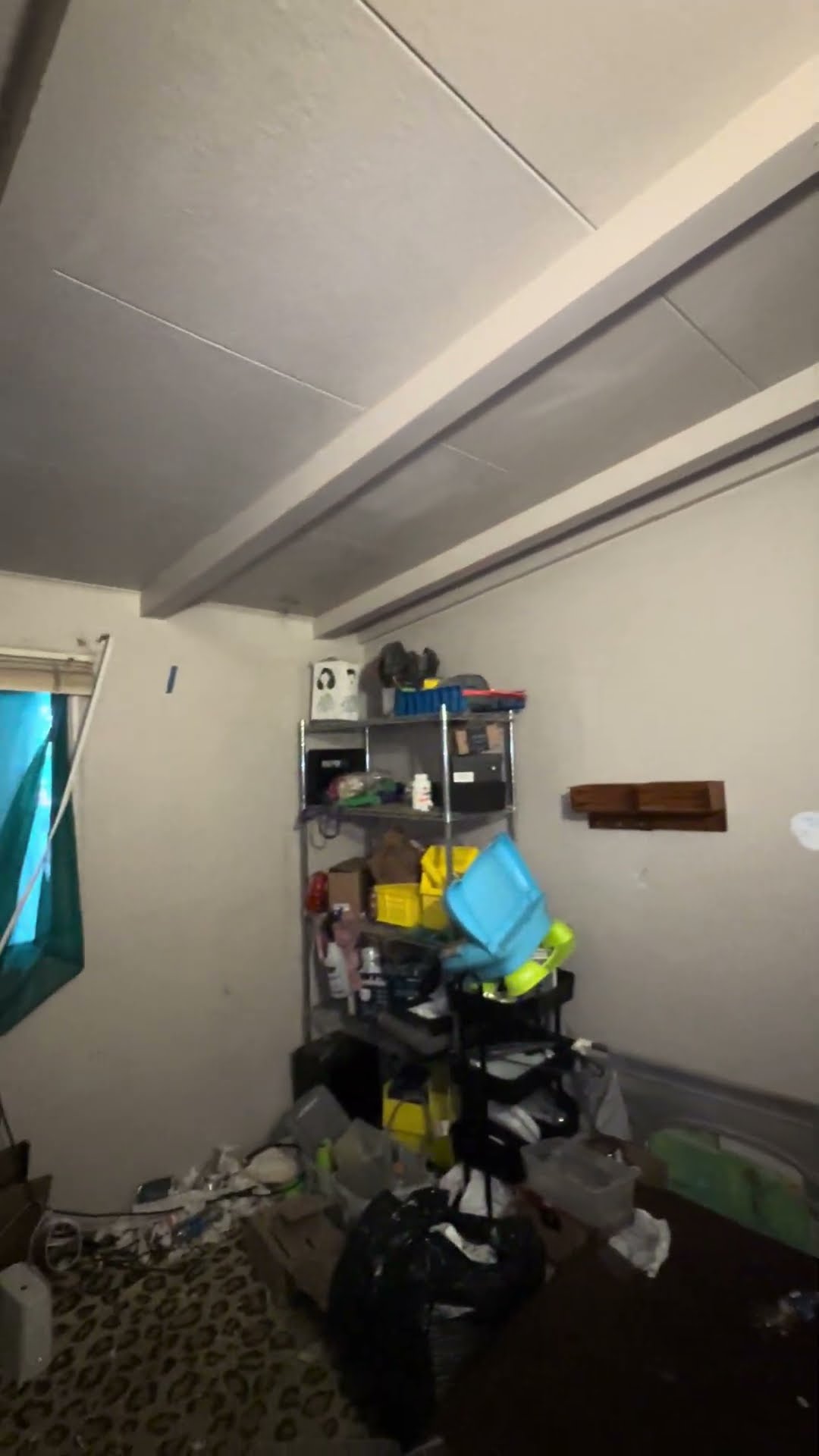
Your situation has its own page.
Each one walks through how guaranteed home sale in sacramento works when that is what you are facing: the timeline, the costs, and what to do first.





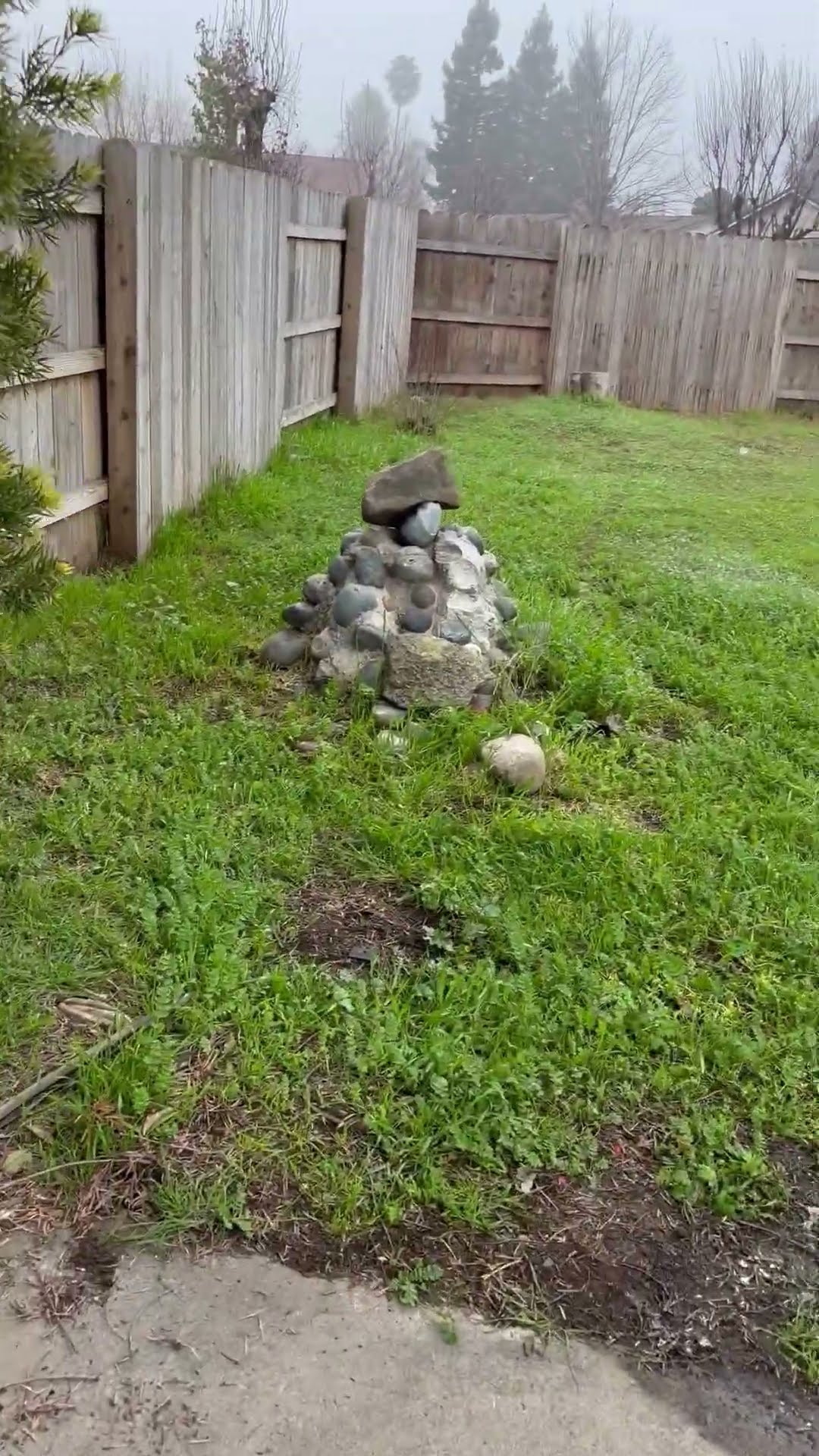



Local pages for every part of the region.
Prices, timelines, and buyers differ from one neighborhood to the next. Pick yours for local numbers.









Questions sellers ask
Not seeing yours? Ask Darren directly. He has answered these for Sacramento owners since 1996.
Call (916) 300-7962What is a guaranteed home sale?
It's a program where your home is listed on the open market for the highest possible price, backed by a written guarantee to purchase it at an agreed price if it doesn't sell. You get market upside with a certain outcome.
Do I still get top dollar?
Yes, that's the point. The home is marketed for the best price a buyer will pay. The guarantee is only a backstop; if the market pays more, you keep the difference.
How is this different from a cash offer?
A cash offer is fast and as-is but trades some price for certainty. A guaranteed sale pursues full market value first and uses the guarantee only if needed, better for move-in-ready homes.
Need certainty? Your sale, guaranteed in writing.
Fair, local, and no obligation. Darren has worked directly with Sacramento owners since 1996, so you talk to him directly.