


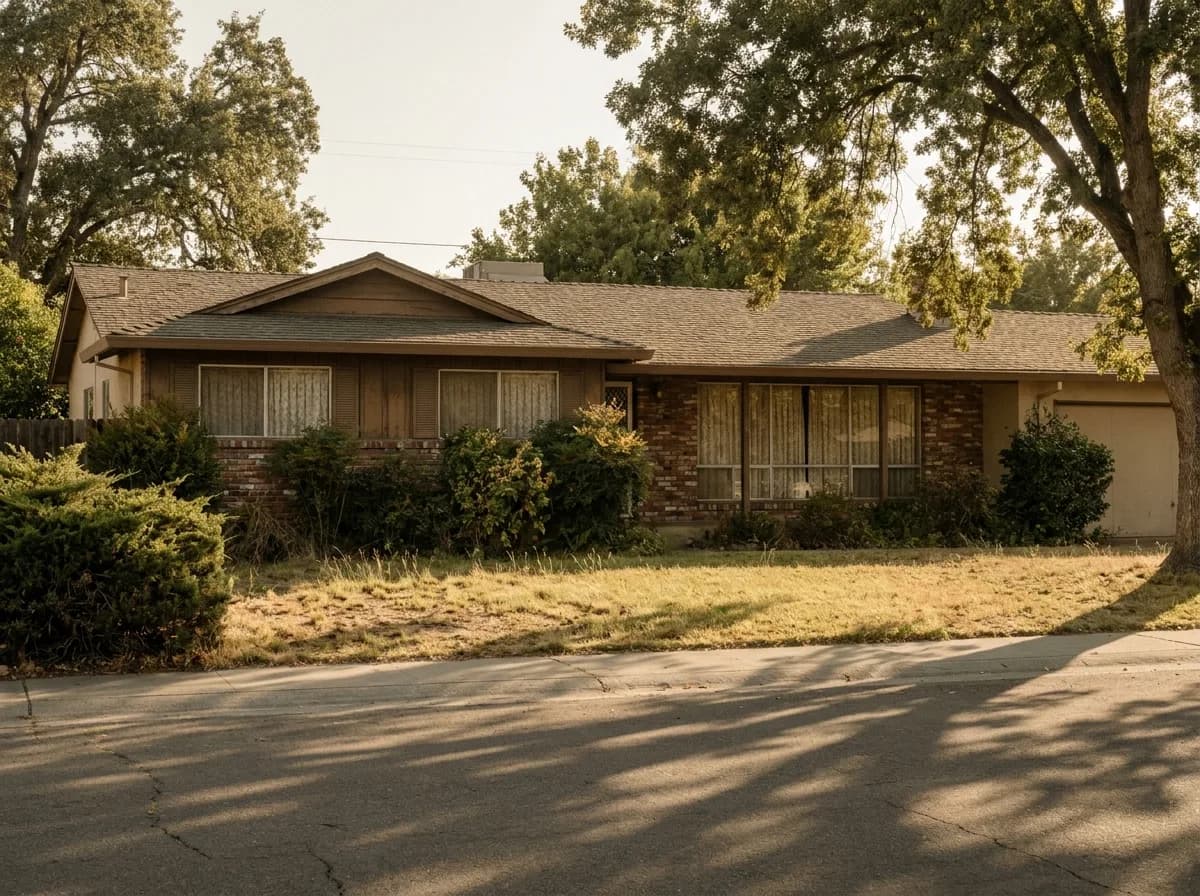
You inherited a house. Now what?
Probate is confusing by design. This guide walks you through the timeline, the taxes, and your real options, so you can make a calm decision instead of a rushed one.
- typical California probate
- 4-9 mo
- repairs needed to sell as-is
- $0
- of options explained before you decide
- 100%
Licensed, verified, and reviewed by Sacramento sellers.
Every credential below links to the proof: the license, the filings, the certifications. The reviews are from real sellers on Google.
4.832 Google reviewsRead the Google reviews
On this page · 9 sections
- 01What "probate" actually means for you
- 02Who has the authority to sell
- 03The timeline, in plain terms
- 04What the house costs every month it sits
- 05Keep, rent, or sell?
- 06The tax picture, briefly
- 07Selling as-is vs. listing an inherited home
- 08The first 30 days: a practical checklist
- 09How Darren works with estates
Inheriting a home is rarely simple. You're grieving, there may be siblings involved, the house may need work, and the legal process has its own clock. The goal of this hub is to replace that uncertainty with a clear map.
The path, from inheritance to sold
Understand probate
Learn whether the estate must go through probate and how long it takes in California.
Know the tax picture
The stepped-up basis often means far less capital gains tax than people fear.
Weigh your options
List traditionally, sell as-is for cash, or sell mid-probate, each fits a different situation.
Decide on your terms
Get a no-obligation offer and choose the timeline that works for the estate.
This is guidance, not legal advice
Every estate is different. Nothing here replaces your probate attorney or the court, it's meant to help you ask better questions and feel less alone in the process.
Inheriting a house comes with grief, paperwork, and a lot of decisions, often all in the same week. This guide covers what California probate actually involves, who has the authority to sell, what the house costs you each month it sits, and how to decide whether to keep it, rent it, list it, or sell it as-is. It's written for Sacramento-area families. It is not legal or tax advice, and a probate attorney and a CPA should be part of your team.
What "probate" actually means for you
Probate is the court-supervised process of settling someone's estate after they pass: confirming the will (if there is one), appointing someone to manage the estate, paying debts, and transferring what's left to the heirs. In California it's handled by the Superior Court in the county where the person lived. For Sacramento County residents, that's the Sacramento Superior Court.
Not every inherited home goes through probate. Whether it does depends on how the property was titled:
Held in a living trust. The successor trustee can usually manage and sell the home without court involvement. See selling a house held in a trust.
Joint tenancy or community property with right of survivorship. Title usually passes to the surviving owner with a recorded affidavit and a death certificate.
Transfer-on-death deed. The named beneficiary takes title, subject to certain notices and waiting periods.
In the decedent's name alone, with no trust. This is the classic probate case. Someone has to be appointed by the court before the house can be sold.
California also has simplified procedures for some smaller estates, and the thresholds were raised in 2025. Whether your situation qualifies depends on the estate's total value and makeup, so confirm with an attorney before assuming you need, or can skip, a full probate. Our small estate overview covers the basics.
Who has the authority to sell
Until someone holds legal authority, nobody can sign a valid sale, no matter how much the heirs agree. In probate, that authority comes from the court in the form of letters. Letters testamentary go to an executor named in a will. Letters of administration go to an administrator when there's no will or no willing executor. See selling as the estate's executor and selling when there was no will.
Most estates request authority under California's Independent Administration of Estates Act. With full authority, the personal representative can sell real property without a court confirmation hearing by giving heirs a Notice of Proposed Action and a window to object. With limited authority, the sale must be confirmed in court, where other buyers can overbid. Which one you have determines how long the sale takes and how the buyer has to be structured. The guide to selling a house during probate walks through both paths in detail.
The timeline, in plain terms
A straightforward California probate commonly takes nine to eighteen months. Contested estates, missing heirs, or crowded court calendars can stretch that further. The general sequence is filing the petition, a first hearing and appointment, notice to creditors, a creditor claim period of at least four months, inventory and appraisal, sale of assets, and finally a petition for distribution.
The good news is that the house doesn't have to wait for the end. Once letters are issued, a sale can often happen during the creditor period, which is time the estate would be waiting anyway. Our California probate timeline lays out each stage month by month.
What the house costs every month it sits
An inherited home is rarely free to hold. While the estate decides what to do, someone keeps paying:
The mortgage, if there is one. Lenders generally can't call the loan just because the owner died, but payments still have to be made. See inheriting a house that still has a mortgage.
Property taxes, due in two installments each year whether anyone lives there or not.
Insurance. Standard homeowner's policies often restrict coverage once a home has been vacant for a while, and vacant-property coverage typically costs more.
Utilities and upkeep, such as yard care, pest control, and keeping the power on so the HVAC and water heater don't fail.
Risk. Empty homes attract break-ins, squatters, and slow leaks nobody notices for weeks. See inherited vacant homes.
Add up those costs and multiply by the months probate takes. That's the real cost of waiting, and it's often a big part of why selling earlier makes sense.
Keep, rent, or sell?
There's no universally right answer, but there are good questions to ask:
Does anyone want to live in it? In California, Proposition 19 narrowed when children can keep a parent's lower assessed value for property tax. The home generally has to become the heir's primary residence, and there's a value cap. The Board of Equalization's Prop 19 page explains the rules. If nobody is moving in, expect taxes to be reassessed to current value.
Can the heirs agree? Several owners of one rental is a recipe for conflict. If siblings disagree, or there are multiple heirs with different goals, a clean sale and split of the proceeds is often the most peaceful path.
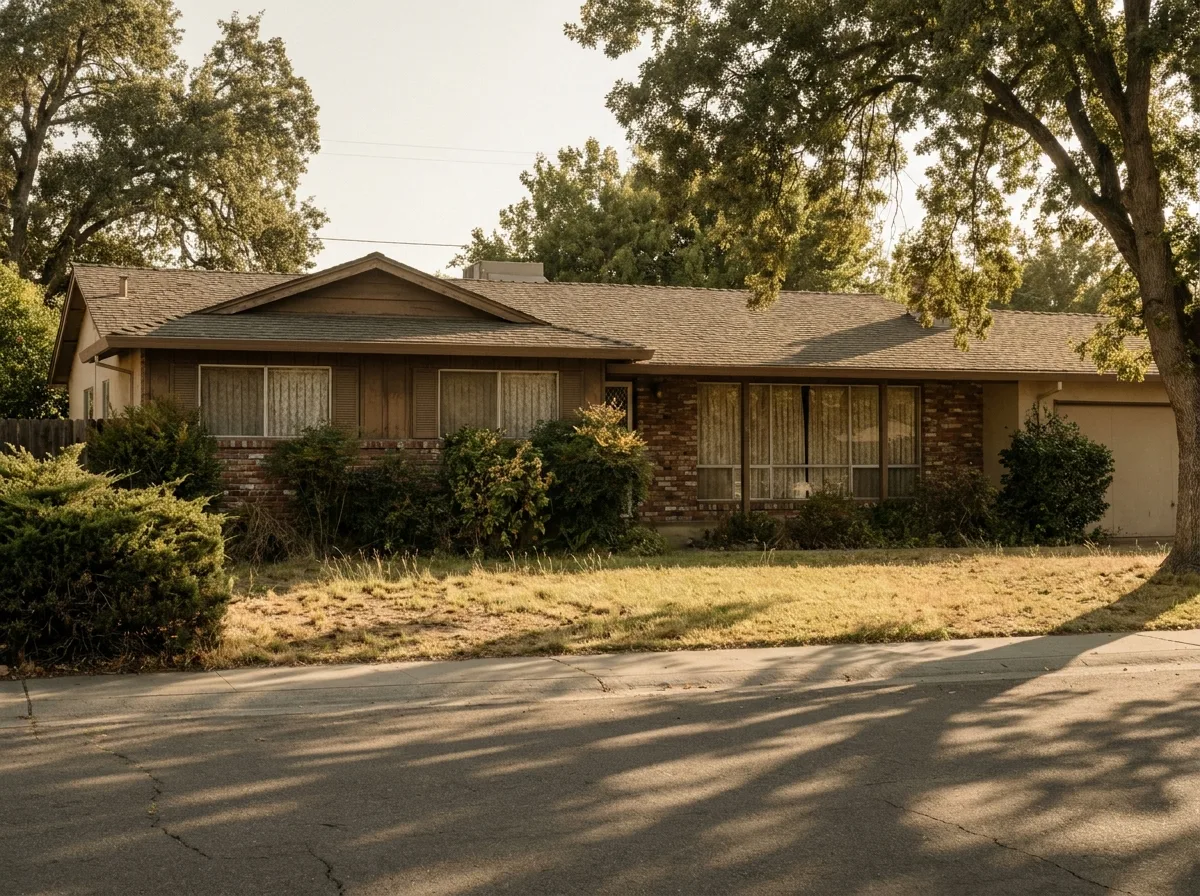
What condition is it in? Many inherited homes have years of deferred maintenance. See inherited homes that need repairs and homes left full of belongings.
Where do you live? Managing a Sacramento house from another state is hard. See selling as an out-of-state heir.
The tax picture, briefly
Inherited property gets a very favorable tax rule called the stepped-up basis. Your cost basis generally resets to the home's fair market value on the date of death. If you sell soon after for about that value, there's often little or no capital gain to tax. In California, community property can receive a step-up on both halves when the first spouse dies. Our guide to capital gains on inherited property covers the details, including why a date-of-death appraisal matters. Confirm your own situation with a CPA.
Selling as-is vs. listing an inherited home
If the home is in good shape and the heirs have time, listing it on the open market usually brings the highest price. If it needs work, is packed with a lifetime of belongings, or the estate needs a dependable closing date, a direct as-is sale removes most of the friction:
Nothing to clean out, repair, or stage. Take the keepsakes and leave the rest.
One walkthrough instead of months of showings.
A closing date coordinated with the court process and the attorney's schedule.
Liens, back taxes, and the mortgage paid off through escrow. See estate liens and back taxes.
Darren also offers a guaranteed sale, which lists the home for full value with a written backstop price. It's a good middle path when the estate wants market price but has a deadline it can't miss.
The first 30 days: a practical checklist
Families who handle the first month well usually have a much easier time later. In rough order:
Order certified death certificates. Get more than you think you need. Banks, the title company, insurers, and the court each want one.
Secure the house. Change the locks, confirm the insurance is still in force, and keep the utilities on.
Find the documents. Look for the will, any trust, the deed, mortgage statements, tax bills, and insurance policies. If someone holds the original will, California law requires it to be lodged with the court within 30 days of learning of the death.
Talk to a probate attorney. Even if you suspect the estate can avoid probate, a short consultation will confirm which path applies.
Contact the mortgage servicer. Let them know about the death, ask what they need from the estate, and keep payments current if you can.
Hold off on big decisions. Don't give away furniture, sign listing agreements, or promise the house to anyone until you know who has authority.
Get a realistic sense of value. A broker's opinion now helps the family plan, even before a formal appraisal.
A note on reverse mortgages
Many older Sacramento homeowners took out reverse mortgages. These loans generally come due when the borrower dies. For most federally insured reverse mortgages, the heirs have a limited window to sell the home or pay the loan off, and extensions can be requested if a sale is underway. If the loan balance is more than the home is worth, the heirs generally aren't personally responsible for the difference. Call the servicer early, ask for every deadline in writing, and tell them if the home is being sold.
How Darren works with estates
Darren B. Brown has been a licensed California real estate broker since 1996 (DRE #01295232). He has worked with executors, trustees, administrators, and heirs throughout Sacramento County and the surrounding region. He coordinates with your probate attorney, structures the offer so it fits your authority (full IAEA, limited, or trust), and keeps every heir informed.
He serves families across Sacramento, Elk Grove, Carmichael, Citrus Heights, Fair Oaks, Roseville, Rancho Cordova, and West Sacramento, plus the foothills and the Delta.
You don't have to have every answer today. Start with who has authority, what the house costs to hold, and what the heirs want. The right path usually becomes clear from there.
Start with our step-by-step guide to selling an inherited house in Sacramento, or reach out for a no-pressure conversation about your options.
Everything you need, in order.

Your situation has its own page.
Each one walks through how probate works when that is what you are facing: the timeline, the costs, and what to do first.






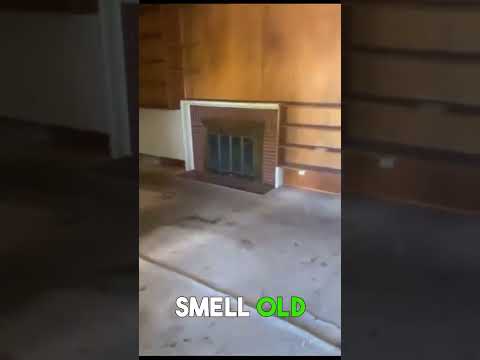


Local pages for every part of the region.
Prices, timelines, and buyers differ from one neighborhood to the next. Pick yours for local numbers.















Questions sellers ask
Not seeing yours? Ask Darren directly. He has answered these for Sacramento owners since 1996.
Call (916) 300-7962Do all heirs have to agree to sell?
Generally yes. If the property passes to multiple heirs, they typically must agree on the sale, or the personal representative (executor/administrator) sells it with court authority. We can talk through either scenario.
Can I sell the house before probate is complete?
Often, yes. California allows court-supervised and, with full authority under the Independent Administration of Estates Act, more streamlined sales during probate. See the dedicated guide for how it works.
The house is full of belongings and needs repairs. Is that a problem?
Not at all. On an as-is cash sale you take what you want and leave everything else, including repairs, old furniture, and anything in the garage. There's no cleanout required.
How much tax will I owe when I sell?
Because inherited property usually receives a 'stepped-up' cost basis to its value on the date of death, many heirs owe little or no capital gains tax if they sell soon after. The capital gains guide explains this in plain English.
Inherited a property? Get a no-obligation probate offer.
Fair, local, and no obligation. Darren has worked directly with Sacramento owners since 1996, so you talk to him directly.