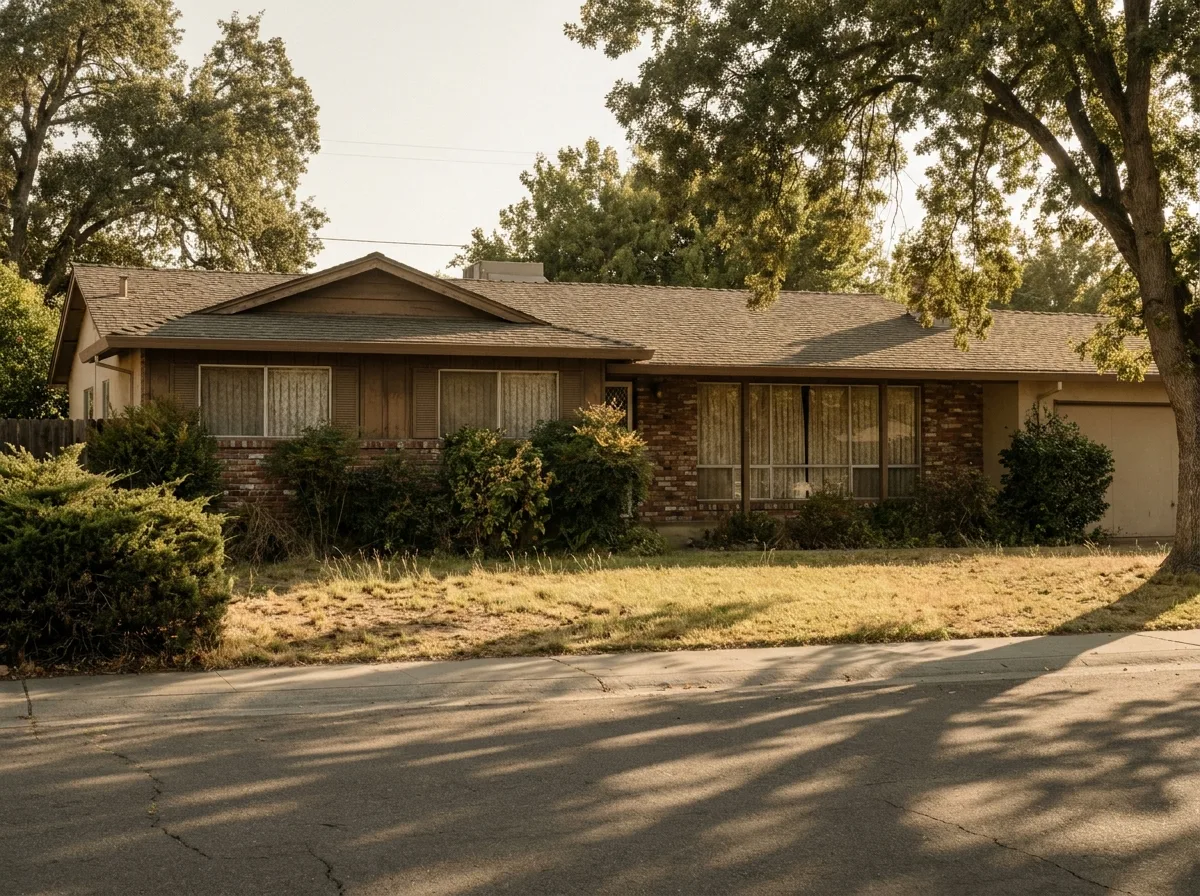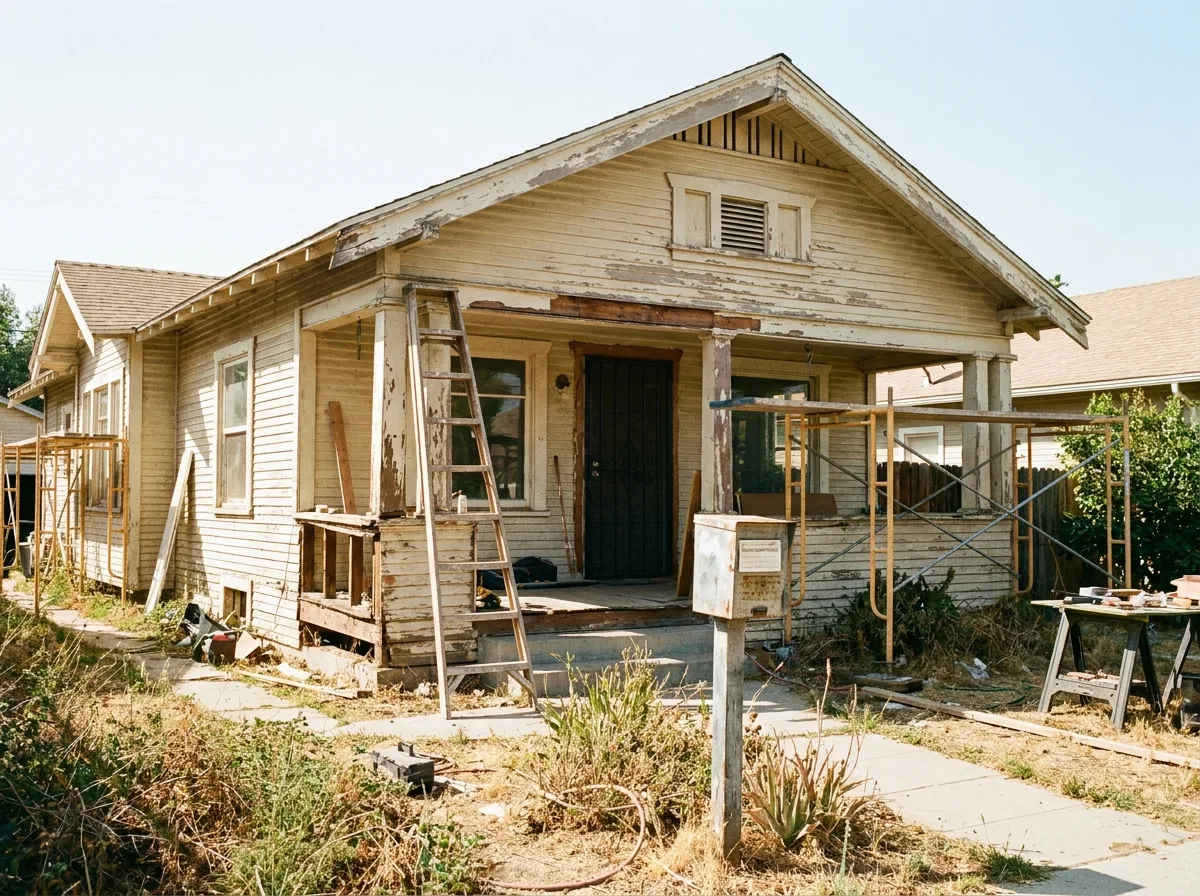


How to Sell an Inherited House in Sacramento
A calm, practical walk-through for Sacramento heirs, what to confirm first, how to weigh your options, and how to avoid the common mistakes.
Licensed, verified, and reviewed by Sacramento sellers.
Every credential below links to the proof: the license, the filings, the certifications. The reviews are from real sellers on Google.
4.832 Google reviewsRead the Google reviews
On this page · 12 sections
- 01Step 1: Secure the house before anything else
- 02Step 2: Find out how title was held
- 03Step 3: Get legal authority to sell
- 04Step 4: Know what the house is worth on the date of death
- 05Step 5: Deal with the mortgage, liens, and bills
- 06Step 6: Decide as a family: keep, rent, or sell
- 07Step 7: Clean out, or don't
- 08Step 8: Choose how to sell
- 09Step 9: Disclosures and paperwork
- 10Step 10: Closing and splitting the proceeds
- 11If you live out of state
- 12Working with Darren
Before you list anything, confirm:
- Whether the estate must go through probate at all
- Who has legal authority to sell (executor, administrator, or trustee)
- The property's value on the date of death (your likely tax basis)
- Any mortgage, liens, or back property taxes owed
Selling an inherited house is a different job from selling your own. You're making decisions for other people. The paperwork depends on how the house was titled. And the home often hasn't been updated in decades. This guide walks through the whole process for a Sacramento-area home in the order things actually happen, from the first week to the day the proceeds are split.
This guide is general information for Sacramento-area families, not legal or tax advice. Probate and tax rules depend on the details of each estate, so confirm your own situation with a California probate attorney and a CPA.
Step 1: Secure the house before anything else
Before you think about selling, protect what's there. An empty home is exposed in ways an occupied one isn't.
Change or rekey the locks. You rarely know how many keys are out there: neighbors, caregivers, contractors, old friends.
Call the insurance company. Tell the insurer the owner has passed and the home may be vacant. Many standard policies limit coverage after a set number of days of vacancy, and you want to know where that line is before a pipe bursts.
Keep utilities on. Power keeps the water heater, HVAC, and any sump pump running. In Sacramento summers, a home closed up without power gets very hot, very fast.
Collect the mail and forward it. Bills, bank statements, and tax notices will show you what accounts exist and what's owed.
Locate key documents. Look for the will, any trust, the deed, mortgage statements, property tax bills, and the homeowner's insurance policy.
Don't throw anything away yet, and don't let anyone remove valuables until you know who has authority over the estate. Our page on inherited vacant homes covers the holding-period risks in more detail.
Step 2: Find out how title was held
How the deceased owned the house decides who can sell it and how. Pull a copy of the recorded deed from the Sacramento County Clerk-Recorder, or ask a title company to run a property profile. Then match it to one of these:
Trust. If the deed shows the house in a living trust, the successor trustee usually can sell without going to court. See selling a house held in a trust.
Joint tenancy or community property with right of survivorship. The surviving owner typically records an affidavit of death with a certified death certificate, and title is theirs.
Transfer-on-death deed. The beneficiary can take title after following the statutory steps and notice periods.
Sole name, no trust. This usually means probate, and nobody can sell until the court appoints a personal representative.
California also offers simplified procedures for some smaller estates, and those limits were raised in 2025. Whether an estate qualifies depends on its total value and makeup, so have an attorney confirm before you choose a path. See our small estate overview.
Step 3: Get legal authority to sell
If the house has to go through probate, the court issues letters to the person who will manage the estate. That's the executor named in a will or, if there's no will, an administrator. See selling as the executor and when there's no will. Until letters are issued, you can prepare, but you can't sign a binding sale.
Most estates ask for authority under California's Independent Administration of Estates Act. Full authority lets the personal representative sell the house by giving heirs written notice and an objection window, without a court confirmation hearing. Limited authority means the sale must be confirmed by a judge in open court, where other buyers can overbid. Our guide to selling a house during probate explains both in depth.
Step 4: Know what the house is worth on the date of death
You need a date-of-death value for two reasons. In probate, the court's probate referee appraises the property for the estate inventory. For taxes, that value usually becomes the heirs' new cost basis (the "stepped-up basis"), which can wipe out most or all capital gain on a prompt sale. See capital gains on inherited property.
For context, the median Sacramento-area home sold for roughly $585,000 as of mid-2026, per Redfin and regional MLS reports, with prices roughly flat year over year. Your home's value depends on its condition, location, and recent nearby sales. Many inherited homes have decades of deferred maintenance, so condition is often the biggest variable.
Step 5: Deal with the mortgage, liens, and bills
Debts don't disappear at death, but they also don't automatically land on the heirs personally. They're paid from the estate.
A regular mortgage. Federal law (the Garn-St Germain Act) generally stops a lender from calling the loan just because the borrower died and the home passed to a relative. Payments still need to be made to avoid default. See inheriting a house with a mortgage.
A reverse mortgage. These come due when the borrower dies. Under federal rules for most HECM loans, heirs have a window to sell or pay off the loan. If the loan exceeds the home's value, the heirs generally don't owe the difference. Contact the servicer early and get every deadline in writing.
Property taxes. Bills keep coming in two installments a year. Unpaid taxes become a lien and are paid off through escrow when the home sells.
Other liens. Judgments, HOA liens, and mechanic's liens are also cleared at closing. See estate liens and back taxes.
Step 6: Decide as a family: keep, rent, or sell
This is the hardest step for many families. Questions worth talking through openly:
Does anyone want to live there? Under Proposition 19, a child can keep a parent's lower property tax base only if the child makes the home their primary residence within a set time and the value stays under a cap. Otherwise the home is reassessed to market value. The Board of Equalization's Prop 19 page has the current rules.
Would renting it work? Being a landlord as a group is harder than it sounds. Repairs, vacancies, California tenant protections, and decisions about who handles what often cause friction. See inherited rental properties.
Can someone buy the others out? One heir can sometimes buy the others' shares, usually based on an appraisal. This works best when one person really wants the house and can qualify for financing.
Does everyone agree to sell? If heirs disagree, the personal representative may still have authority to sell, and objections can be heard by the court. See when siblings disagree and selling with multiple heirs.
Step 7: Clean out, or don't
Clearing out a lifetime of belongings is emotionally draining and physically huge. Some families do it together over several weekends. Others hire an estate sale company, which typically takes a percentage of sales. Others choose a buyer who takes the home with everything left inside.
Set a few ground rules: photograph rooms before anything moves, let each heir flag items they want, and keep a simple written list of who took what. It prevents a lot of hard feelings later. If the volume is extreme, see inherited hoarder homes.
Step 8: Choose how to sell
There are three realistic paths for an inherited Sacramento home.
List it on the open market. This brings the highest price for a home in good condition, but it usually means repairs, staging, showings, and a financed buyer's inspection and appraisal. Expect a couple of months from prep to closing.
Sell directly as-is for cash. No repairs, no cleanout, no showings, and a closing date the estate chooses. It trades some price for speed and certainty. See inherited houses that need repairs and our sell-my-house-fast guide.
A guaranteed sale. The home goes on the market with a written backstop price, so the estate has a firm worst case if no buyer comes through. See the guaranteed home sale.
Compare the estate's net from each path, not just the headline price. Count repairs, commissions, months of mortgage, taxes, insurance, and utilities, plus the value of the heirs' time.
Step 9: Disclosures and paperwork
Sales by a personal representative or trustee in the course of administering an estate or trust are often exempt from California's standard Transfer Disclosure Statement. Other required disclosures, such as natural hazard reports, generally still apply. Disclose what you actually know. Heirs often know very little about a house they didn't live in, and saying so plainly is fine. Your attorney and escrow officer will confirm what's required for your sale.
Step 10: Closing and splitting the proceeds
At closing, escrow pays off the mortgage, liens, back taxes, and closing costs, and sends the remaining funds to the estate or trust account, not directly to the heirs. In probate, money is distributed under a court order at the end of the case. In a trust, the trustee distributes it according to the trust terms after setting aside reserves for final expenses and taxes.
California may require withholding on the sale for state income tax unless an exemption applies, such as a sale with no gain. Your escrow officer handles the form. See the Franchise Tax Board for current real estate withholding rules.
If you live out of state
Many Sacramento homes are inherited by children who live elsewhere. You can generally handle almost everything remotely: sign documents with a mobile notary, use electronic signatures where allowed, and let the title company coordinate payoffs. A local professional who handles the house itself makes the biggest difference. See selling as an out-of-state heir.
Working with Darren
Darren B. Brown has been a licensed California real estate broker since 1996 (DRE #01295232) and has helped Sacramento families sell inherited homes for over 30 years. He can list the home, buy it directly as-is, or offer a guaranteed sale. He coordinates with your attorney and keeps all the heirs informed, so the family can choose with real numbers in front of them.
There is no prize for doing this the hard way. The goal is a fair result, a calm process, and a family that's still speaking afterward.
Next, read the California probate timeline for a month-by-month view, or visit the probate and inherited property hub.