

Sell a house without a surprise tax bill in Midtown
A clean cash sale that works with the estate, the attorney, and the court. Close on your timeline.

Licensed, verified, and reviewed by Sacramento sellers.
Every credential below links to the proof: the license, the filings, the certifications. The reviews are from real sellers on Google.
4.832 Google reviewsRead the Google reviews
On this page · 10 sections
- 01Why Timing Matters Most When You Inherit a Midtown Home
- 02How the Stepped-Up Basis Works on a Midtown Property
- 03What Makes Midtown Different for Heirs
- 04Your Real Options When You Sell an Inherited House in Midtown
- 05How a Probate Sale in Midtown Actually Moves
- 06Why Waiting Can Quietly Cost You
- 07Questions to Bring to Your CPA Before You Sell
- 08Federal and California Rules in Plain Terms
- 09What a Fair Cash Offer Looks Like on an Older Midtown Home
- 10Working With a Local Buyer Instead of a National Middleman
When you own a house without a surprise tax bill in Midtown, a direct sale is often the fastest way out. Darren B. Brown buys inherited and probate homes as-is for cash and works alongside your attorney and the court. Homes around Midtown tend to sell near the regional median, and Darren will give you a fair, no-obligation number either way.
- Sacramento-area median sale price (mid-2026)
- $585,000
- Typical time on market for a listed home
- 33 days
- Darren can close in as few as
- 10 days
Stepped-up basis is your friend
Because an inherited home is generally valued at the date-of-death market value, selling soon after often means little taxable gain. Waiting years while it appreciates can create a larger bill.
How selling to Darren works
1. Tell Darren about the property
Call (916) 300-7962 or request an offer online. It takes a few minutes and there is no obligation.
2. Get your offer
Darren reviews the home and makes a fair, no-obligation cash offer, usually within 24 to 48 hours.
3. Close on your date
Pick the closing date that works for you. Darren covers standard closing costs and handles the rest, so you simply collect your proceeds.
What you skip when you sell direct
- No repairs, cleaning, or cleanouts
- No agent commissions or listing fees
- No showings or open houses
- No financing contingencies that fall through
- Close on the date you choose
- Works alongside your attorney and the court
About Midtown
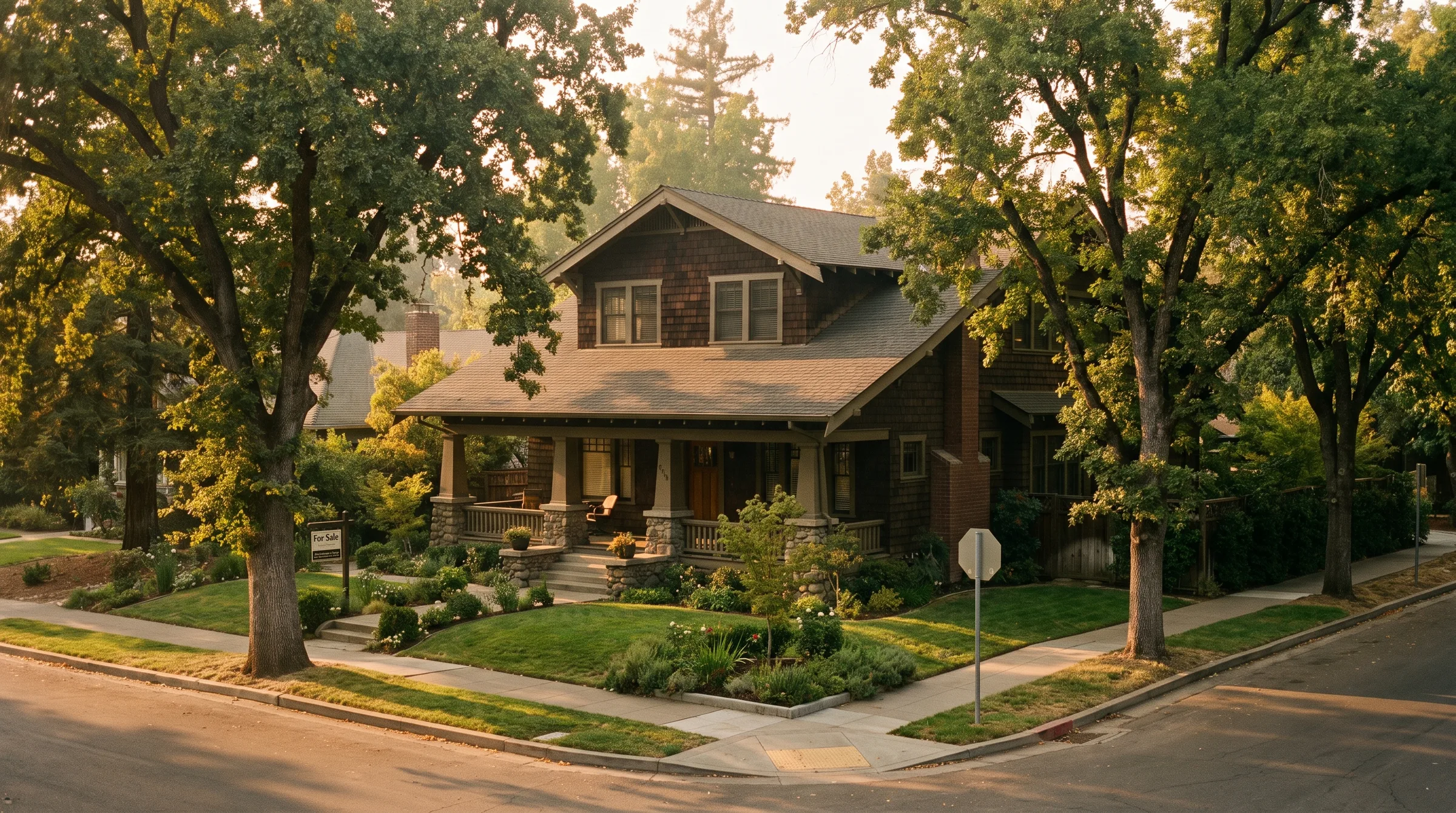
The walkable grid of Victorian and craftsman homes, condos, and infill, in the heart of the city. Homes here (95814, 95816) are largely 1900s-1930s + infill, and they tend to sell near the regional median. Darren buys across Midtown in any condition.
Why Timing Matters Most When You Inherit a Midtown Home
If you inherited a house in Midtown, the single biggest factor in whether you face a surprise tax bill is usually how long you hold it before selling. An inherited home is generally valued at its market value on the date of death, which is called a stepped-up basis. When you sell soon after that date, the difference between what the house is worth and what you sell it for is often small, which can mean little taxable gain. That is the core idea this whole page is built around.
Most families who call Darren are not tax experts, and they should not have to be. They are sorting through a parent's belongings in a 1910s Victorian off a tree-lined street, or deciding what to do with a craftsman bungalow that has not been updated in decades. The tax question feels heavy, but the principle is simple: waiting years while the home appreciates can create a larger bill, and selling closer to the date of death often keeps it modest.
Darren B. Brown has bought houses directly from Sacramento-area owners since 1996. He is a licensed California broker, DRE #01295232, and a retired Air Force veteran. He is not a tax advisor, and he will tell you so. What he can do is give you a fair, no-obligation cash number quickly, so you and your CPA can see your real options while the stepped-up basis still works in your favor.
How the Stepped-Up Basis Works on a Midtown Property
The stepped-up basis resets the starting value of an inherited home to what it was worth when the owner passed away, not what they originally paid. For many Midtown homes, that difference is enormous. Picture a grandparent who bought a two-story Victorian in 95816 generations ago for a fraction of today's price. If you sold it based on their original purchase price, the gain could look staggering. The step-up generally wipes most of that history away for tax purposes.
The IRS explains how basis is determined for inherited property in IRS Publication 551 on basis, and it is worth handing to your CPA so everyone is reading from the same playbook. The key practical point for you is that capital gains on an inherited house in Midtown are usually measured from the date-of-death value forward, not from the decades-old purchase price.
That is why the question you really need to answer is not 'what did Mom pay for this place' but 'what is it worth now compared to when she passed.' If those two numbers are close, your taxable gain is often small. If you hold on for several years while Midtown keeps drawing buyers who love walking to restaurants and the Capitol, that gap can widen. For a broader walkthrough, see our guide to capital gains on an inherited house in Sacramento.
What Makes Midtown Different for Heirs
Midtown is one of the oldest residential areas in the city, and that shapes everything about selling an inherited home here. The walkable grid of numbered and lettered streets is lined with Victorian and craftsman homes from roughly the 1900s through the 1930s, mixed with condos and newer infill. Homes in 95814 and 95816 tend to sell near the regional median, which for the Sacramento area is $585,000 as of mid-2026.
Age brings character, and it also brings questions an heir has to face. Original knob-and-tube wiring, old galvanized plumbing, settling foundations, and porches that need attention are common in homes built a century ago. Some Victorians were split into duplexes or units at some point, which can complicate how a buyer with a bank loan views the property. An heir who lives out of town may not even know what is behind the walls.
Infill and condos add another layer. A modern infill home on a narrow lot behaves differently than a 1920s bungalow, and a condo carries HOA documents that need to be gathered during an estate sale. Darren buys across Midtown in any condition, whether it is a well-kept unit near the park or a tired craftsman full of a lifetime of belongings, which takes much of the guesswork off your plate.
Your Real Options When You Sell an Inherited House in Midtown
When you sell an inherited house in Midtown, you generally have three paths: list it on the open market, rent it out, or sell directly to a buyer like Darren. Each has trade-offs, and the right one depends on the home's condition, how many heirs are involved, and how much time and money you want to put in before closing.
Listing can bring top dollar for a polished home, but a typical listed home sits around 33 days on market, and that is after any repairs, cleaning, and staging. For an older Victorian with deferred maintenance, those preparation months can stretch out, and every month adds appreciation that may chip away at your step-up advantage, plus insurance, utilities, and property taxes on a vacant house.
Renting can make sense for some families, but it turns heirs into landlords and pushes the sale further from the date of death. A direct sale is often the fastest way out. Darren can close in as few as 10 days, buys as-is, and gives a fair, no-obligation number either way, so you can compare it honestly against a listing. More on the local picture is on our page about selling an inherited house in Midtown.
How a Probate Sale in Midtown Actually Moves
You can sell a house in probate in Midtown, but the sale has to fit the estate's legal process, and that means working with the executor or administrator, the estate attorney, and sometimes the court. Darren has done this for decades and works alongside your attorney and the court rather than around them. That cooperation matters because probate has its own documents and approvals, and a buyer who understands them keeps things calm.
Probate real estate in Midtown often involves heirs scattered across the state or country, with one person handling the paperwork locally. Darren's flexibility on the closing date helps here. If the attorney needs time for an approval or a family needs to finish going through the house, the closing can be set when it works, not when a lender's deadline forces it.
Records of ownership and recorded documents for Sacramento County properties are kept by the Sacramento County Clerk-Recorder, and your attorney will typically handle what needs recording. For the specifics of timing a sale inside the process, see our guide to selling a house during probate in Midtown.
Why Waiting Can Quietly Cost You
Holding an inherited home 'until the market is right' can feel prudent, but it often works against you on taxes. Every year a Midtown house appreciates after the date of death, that growth is potential taxable gain when you eventually sell. Selling fast can help, because less appreciation accrues after the step-up. Your CPA can confirm how that plays out for your situation.
There are also carrying costs that do not show up on a tax return. A vacant Victorian needs insurance, and many insurers treat empty homes differently. Utilities, yard care, and security on a walkable street with lots of foot traffic all add up. Older roofs and plumbing do not pause for probate either, and a single winter leak can turn a manageable property into a bigger repair job.
Property taxes are another consideration. California's rules on transferring a parent's tax base changed with Proposition 19, and whether an heir can keep a low assessed value depends on factors like using the home as a primary residence. The Board of Equalization's Prop 19 guide is the place to read the rules, and your advisor can tell you whether they apply.
Questions to Bring to Your CPA Before You Sell
Darren will always tell you to confirm tax details with a professional, because every estate is different. Walking into that conversation with the right questions saves time and money. A good CPA or tax attorney can tell you what your step-up is likely to be and how a quick sale compares to holding the property.
Here are practical questions Midtown heirs often find useful to ask:
What was the home's fair market value on the date of death, and do we need a formal appraisal to document it?
If we sell within the next few months, how much taxable gain, if any, should we expect?
How are costs of sale and estate expenses treated when calculating gain?
If there are several heirs, how is the gain or loss divided among us?
Are there California filing requirements we need to plan for with the Franchise Tax Board?
Does Proposition 19 affect us if one heir wants to keep the house instead of selling?
Federal and California Rules in Plain Terms
Capital gains on a sold home are generally taxed at both the federal and state levels, and the stepped-up basis is what keeps many inherited sales from producing much gain at all. The IRS gives a plain overview in IRS Topic 409 on capital gains, which is a helpful starting point before you meet with your advisor.
California has its own income tax system, administered by the California Franchise Tax Board, and gains on a home sale are part of what your preparer will look at. Darren does not give tax advice, and this page does not either. The goal is to help you understand why timing and documentation matter so you can ask sharp questions.
If you want a deeper statewide explanation, our article on capital gains tax on inherited property in California walks through the concepts. Families comparing nearby neighborhoods with similar older housing may also find our notes on capital gains in Land Park helpful, since the same step-up logic applies to those 1920s and 1930s homes.
What a Fair Cash Offer Looks Like on an Older Midtown Home
A fair cash offer reflects what the house is worth today in its current condition, minus what it would take to bring it to market. With Midtown homes tending to sell near the $585,000 regional median, a well-maintained craftsman may be close to that figure, while a Victorian that needs electrical, plumbing, and foundation work will reflect those costs.
What you give up in a direct sale is the chance of squeezing every last dollar from a fully renovated listing. What you get is certainty. There are no financing contingencies that fall through when a buyer's lender balks at old wiring, no showings while you are grieving, and no agent commissions coming off the top. Darren covers standard closing costs, and you choose the date.
Darren will give you a fair, no-obligation number either way. Many families use it as a benchmark, then decide. If you would like to talk through your property, call (916) 300-7962. A short conversation about the address, the condition, and where the estate stands is enough to get started.
Working With a Local Buyer Instead of a National Middleman
When you are handling probate real estate in Midtown, it helps to deal with someone who knows these streets and these houses. Many quick-sale buyers are national middlemen who lock up a contract and then try to resell it to someone else. That can mean renegotiation late in the process, which is the last thing an estate attorney or a court timeline needs.
Darren buys directly. He has been doing it in the Sacramento area since 1996, and he understands what a century-old Midtown home looks like inside, from converted upstairs units to cramped original kitchens. He also understands the people side: siblings who disagree, an executor juggling a full-time job, and families who want the house treated with respect.
If your loved one owned property in other parts of the city too, Darren buys across the region. You can read about capital gains in East Sacramento or browse our main guide to selling inherited property in Sacramento. Wherever the home sits, the aim is the same: a clean, honest sale that protects the advantage the stepped-up basis gives you.