

Sell a house when the heirs don't agree in Sacramento
A clean cash sale that works with the estate, the attorney, and the court. Close on your timeline.
Licensed, verified, and reviewed by Sacramento sellers.
Every credential below links to the proof: the license, the filings, the certifications. The reviews are from real sellers on Google.
4.832 Google reviewsRead the Google reviews
On this page · 10 sections
- 01Why Heirs in Sacramento So Often Stall on the Family House
- 02A Firm Cash Number Gives Every Sibling the Same Facts
- 03How Listing Compares When Heirs Are Already at Odds
- 04Older Sacramento Homes and the Repair Question That Divides Families
- 05Who Actually Has the Authority to Sell
- 06Selling Before Probate Is Finished in Sacramento County
- 07When One Sibling Wants to Keep the House
- 08Questions Worth Settling Before the Family Meets
- 09Family Disagreements Look Different Across the Sacramento Area
- 10Working With a Local Broker Instead of a National Buyer
A house when the heirs don't agree can be hard to sell the traditional way, so there is a simpler path. Darren B. Brown buys inherited and probate homes as-is for cash and works alongside your attorney and the court. Darren is a licensed California broker (DRE #01295232), a retired Air Force veteran, and has been buying Sacramento homes directly since 1996, which is more than 30 years.
- Sacramento-area median sale price (mid-2026)
- $585,000
- Typical time on market for a listed home
- 33 days
- Darren can close in as few as
- 10 days
A number everyone can see
Disagreements usually come from uncertainty about value and effort. A firm, no-obligation cash offer gives siblings a concrete figure and a date to weigh, which often breaks the logjam.
How selling to Darren works
1. Tell Darren about the property
Call (916) 300-7962 or request an offer online. It takes a few minutes and there is no obligation.
2. Get your offer
Darren reviews the home and makes a fair, no-obligation cash offer, usually within 24 to 48 hours.
3. Close on your date
Pick the closing date that works for you. Darren covers standard closing costs and handles the rest, so you simply collect your proceeds.
What you skip when you sell direct
- No repairs, cleaning, or cleanouts
- No agent commissions or listing fees
- No showings or open houses
- No financing contingencies that fall through
- Close on the date you choose
- Works alongside your attorney and the court
Why Heirs in Sacramento So Often Stall on the Family House
When siblings inherit a Sacramento house together and cannot agree on what to do, the disagreement is rarely about the house itself. It is usually about uncertainty: nobody knows exactly what the place is worth, how much work it needs, or how long a sale would drag on. One sibling wants to list it and hold out for top dollar, another lives out of state and just wants it settled, and a third may have grown up in that bedroom and is not ready to let it go.
That mix is normal, and it does not mean anyone is being unreasonable. A parent's home in Land Park, Arden-Arcade, or South Sacramento carries decades of memories along with a property tax bill, a utility account, and a yard that keeps growing whether anyone mows it or not. Every month the house sits, someone is paying for it, and resentment tends to build around who is carrying that load.
Darren B. Brown has been buying homes directly from Sacramento-area owners since 1996, more than 30 years, and he has seen how often a family stalls simply because nobody has a solid number to react to. His role is not to take sides. It is to put a clear, firm figure and a closing date on the table so the conversation can move from guesses to decisions.
A Firm Cash Number Gives Every Sibling the Same Facts
The most useful thing a family stuck in disagreement can have is one number everyone can see. When each heir is working from a different guess, maybe one remembers a neighbor's sale, another saw an online estimate, and a third assumes the house needs nothing, there is no common ground to stand on. A firm, no-obligation cash offer replaces those guesses with a concrete figure and a date.
That changes the tone of the discussion. Instead of arguing about what the house might bring someday, siblings can weigh a real option against the alternatives. Some families compare the offer to listing and decide to go with the cash sale. Others use it as a floor and choose to list anyway. Either way, the offer has done its job by giving everyone the same facts to decide on.
It helps to remember that a no-obligation offer costs nothing to request and commits nobody. The sibling who wants to keep the house loses nothing by hearing it, and the sibling who wants out gets something tangible to show the others. Darren typically reviews the home and makes his offer within 24 to 48 hours, which is often fast enough to keep a fragile family conversation from going cold.
How Listing Compares When Heirs Are Already at Odds
Listing on the open market can work for an inherited Sacramento home, but it asks a lot of a family that is already struggling to agree. The typical listed home in the area spends 33 days on the market, and that clock only starts after the house is cleaned out, repaired, staged, and photographed. Each of those steps is another decision the siblings have to make together, and another chance for the disagreement to flare up.
Who picks the agent? Who pays for the new water heater or the roof patch before photos? Who drives over to let in the painter, and who decides whether to accept a lower offer in week three? With a Sacramento-area median sale price of $585,000 in mid-2026, the stakes feel high, so every one of those choices can turn into a negotiation among the heirs themselves.
A direct sale removes most of those friction points at once. Darren buys inherited and probate homes as-is for cash, so there is no repair list to fight over and no showing schedule to coordinate across siblings in different cities. He can close in as few as 10 days, or on whatever later date the family and the estate need. For many heirs, fewer decisions means fewer arguments, and that alone can be worth more than squeezing out the last dollar.
Older Sacramento Homes and the Repair Question That Divides Families
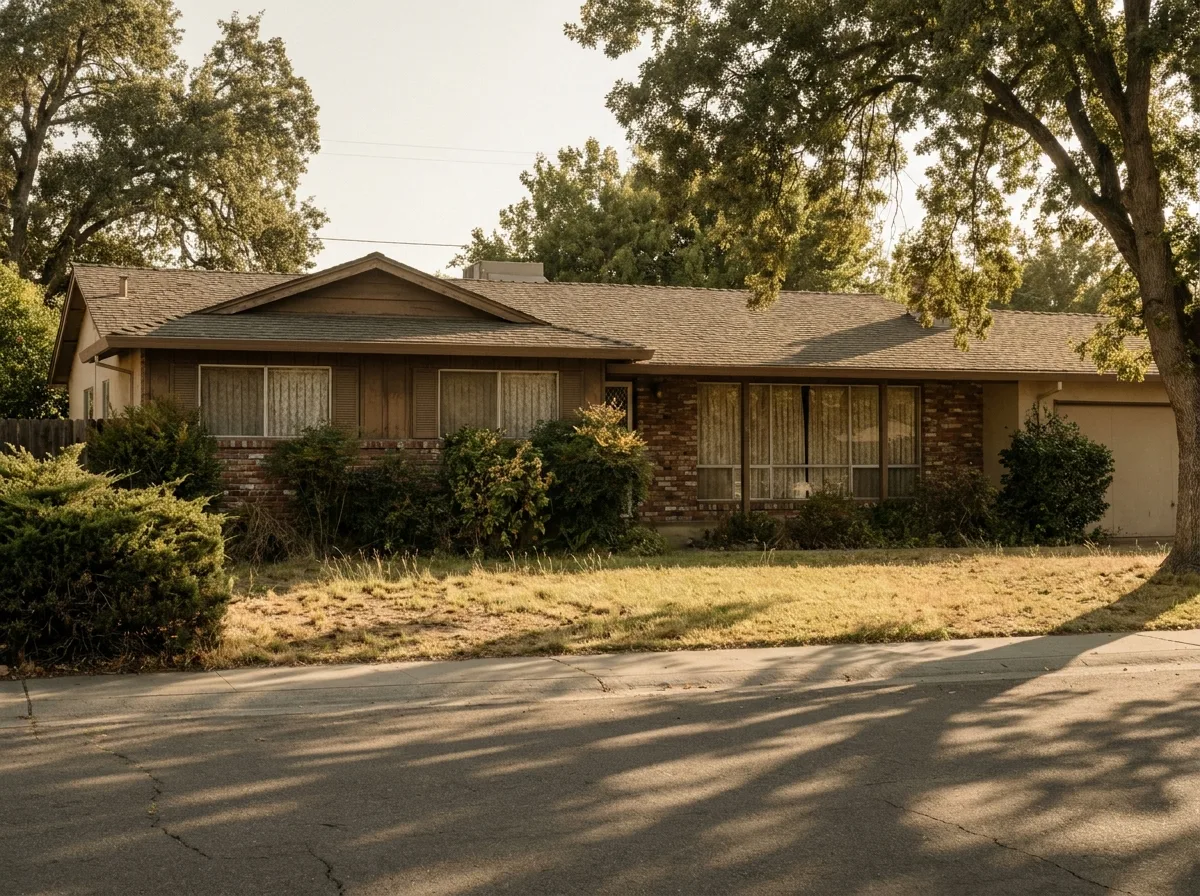
Many inherited houses in Sacramento were bought decades ago and lived in by the same owner ever since. Think of the postwar bungalows near Tahoe Park and Oak Park, the ranch homes in Rosemont and around Florin Road, or the larger midcentury houses in the Arden area. A parent who stayed put for forty years often left behind original electrical panels, aging sewer lines, galvanized plumbing, and kitchens that have not changed since the 1970s.
This is where siblings split. One heir sees a fixer that needs a big investment before it can sell. Another insists it is fine as is. A third suggests doing just a few upgrades, which then raises the question of who fronts the money and how that gets credited back later. Those conversations can stall a family for months.
Selling as-is to Darren takes that debate off the table. He prices the home in its current condition, including the dated systems and the garage full of a lifetime of belongings, and nobody has to clean out, repair, or update anything first. Families who want to keep a few heirlooms simply take what matters to them and leave the rest.
Who Actually Has the Authority to Sell
In a disputed inheritance, the most important question is often not what the siblings want but who has legal authority to act. If there is a trust, the successor trustee generally manages the sale. If the home is going through probate, the court-appointed executor or administrator usually handles it, sometimes with court oversight depending on the authority granted to the estate. If a parent died without a will, California's intestate succession law shapes who inherits.
This matters because a sale does not always require every sibling to cheer it on. The parties with legal authority ultimately decide, and if one heir still refuses and the matter becomes contested, your attorney guides the next step. Darren does not try to pressure a holdout or work around the process. He works alongside your attorney and the court so the sale fits whatever path the estate is on.
If you are unsure where your family stands, it is worth reading more about selling a house during probate and talking with an estate attorney early. Clarifying authority up front often calms things down, because it turns an emotional debate into a defined process with clear roles.
Selling Before Probate Is Finished in Sacramento County
Families who want to sell a house in probate in Sacramento often assume they must wait until the entire case is closed. In many cases that is not true. Darren can often buy before probate is finished, depending on the authority granted to the estate, and he coordinates with your attorney and the court so the timing works.
That flexibility can ease sibling tension, especially when carrying costs are piling up. Instead of one heir quietly covering insurance, utilities, and property taxes for months, the estate can move toward a sale on a timeline the attorney is comfortable with. Recorded documents, such as the deed and any estate filings, run through the Sacramento County Clerk-Recorder, and Darren's experience with probate real estate in Sacramento means he understands how those pieces fit together.
Because Darren lets you pick the closing date, the sale can also wait for a court step if needed. A firm buyer who will not walk away over financing gives the executor and the court something solid to approve, rather than a contract that might collapse halfway through.
When One Sibling Wants to Keep the House
Sometimes the real disagreement is that one heir wants to live in or keep the family home while the others want their share in cash. That is a legitimate wish, and a cash offer can actually help it along. If the keeping sibling wants to buy the others out, a firm offer gives everyone a credible reference point for what a fair buyout looks like.
There are tax and cost questions to consider before anyone keeps a property. A sibling moving in may face property tax changes, and the Board of Equalization's Prop 19 guide explains how inherited property can be reassessed in California. Talk those details through with your attorney or tax advisor rather than assuming the old tax bill carries over.
If the buyout does not pencil out, the family has not lost anything by exploring it. The offer remains a clear alternative, and everyone can decide with the full picture in view. Many families find that simply having two concrete paths, keep it at a defined price or sell it for a defined price, ends a disagreement that had been running on emotion.
Questions Worth Settling Before the Family Meets
A little preparation keeps a sibling meeting from turning into a rehash of old grievances. Before everyone sits down, it helps to gather the facts that tend to cause the most friction, so the discussion stays focused on decisions rather than speculation. These are the items that most often come up when heirs disagree about an inherited Sacramento home.
Answering these in advance does not mean everyone will agree, but it shortens the path. Tax basis is a common point of confusion, and IRS Publication 551 on basis along with our page on capital gains tax on inherited property in California can help you frame questions for your tax professional.
Who is the trustee, executor, or administrator, and what authority do they hold?
Who has been paying the mortgage, taxes, insurance, and utilities, and should that be reimbursed from the sale?
Does any heir want to keep the house, and could they realistically buy out the others?
What personal belongings does each sibling want to keep before any sale?
What timeline does the attorney recommend given where the estate stands?
How will proceeds be divided once closing costs are covered?
Family Disagreements Look Different Across the Sacramento Area
The dynamics of a sibling dispute often reflect the neighborhood. In older central Sacramento areas, the house may be worth more as land than as a home, which makes the repair argument sharper. In suburbs, a newer house may need less work, so the disagreement tends to center on timing and whether to rent it out first.
If the inherited property is outside the city, you may find our local guides useful, including selling when siblings disagree in Carmichael, heirs disagreeing in Elk Grove, and sibling disputes in Citrus Heights. Each covers how these situations tend to unfold in those communities.
Wherever the home sits, the core approach stays the same: get a clear number, confirm who has authority, involve the attorney, and let the family choose a date that works. Darren has bought homes throughout the region for more than 30 years, so he understands the local housing stock rather than treating every property like a spreadsheet entry.
Working With a Local Broker Instead of a National Buyer
When heirs already distrust each other, the buyer they bring in needs to be someone everyone can trust. Darren is a licensed California broker, DRE #01295232, and a retired Air Force veteran who has bought Sacramento homes directly since 1996. You deal with him, not a middleman who passes your file to a national buyer you never meet.
That local accountability matters in a probate or trust sale. Your attorney can reach the person actually buying the house, the court sees a straightforward cash purchase, and the siblings hear the same explanation from the same person. Darren covers standard closing costs, so the net figure the family discusses is the figure they actually divide.
If your family is ready to see a real number, call Darren at (916) 300-7962 for a no-obligation conversation. You can also learn more about selling an inherited house or browse our broader probate and inherited home sales resources. Whether you sell an inherited house with siblings to Darren or choose another path, having clear facts in hand is the surest way to move forward together.