

Sell a house with tenants still living in it in Sacramento
No repairs, no commissions, no waiting. A fair cash offer and a closing date you choose.

Licensed, verified, and reviewed by Sacramento sellers.
Every credential below links to the proof: the license, the filings, the certifications. The reviews are from real sellers on Google.
4.832 Google reviewsRead the Google reviews
On this page · 10 sections
- 01Yes, you can sell a Sacramento house with tenants still living in it
- 02Why vacating first is usually the harder road in California
- 03What tenant-occupied homes in the Grid and the older core really look like
- 04How a tenant changes a traditional listing
- 05What happens to the lease, rent, and security deposit at closing
- 06When the tenant situation is more complicated
- 07Inherited rentals and tired landlords in the urban core
- 08Pricing, proceeds, and the questions worth asking before you sell
- 09Why sellers choose a local buyer over a national one
- 10Selling your Sacramento rental fast, on your timeline
Selling a house with tenants still living in it in Sacramento is exactly the kind of sale Darren B. Brown handles every week. Darren B. Brown buys it as-is for cash, with no repairs, no agent commissions, and no fees. Homes around Sacramento tend to sell near the regional median, and Darren will give you a fair, no-obligation number either way.
- Sacramento-area median sale price (mid-2026)
- $585,000
- Typical time on market for a listed home
- 33 days
- Darren can close in as few as
- 10 days
You can sell a tenant-occupied home in California
A sale does not break an existing lease, and an investor buyer like Darren can take the property with the tenants in place, so you avoid the notice periods and just-cause rules that come with trying to vacate first. Month-to-month tenancies and existing leases simply transfer to the new owner.
How selling to Darren works
1. Tell Darren about the property
Call (916) 300-7962 or request an offer online. It takes a few minutes and there is no obligation.
2. Get your offer
Darren reviews the home and makes a fair, no-obligation cash offer, usually within 24 to 48 hours.
3. Close on your date
Pick the closing date that works for you. Darren covers standard closing costs and handles the rest, so you simply collect your proceeds.
What you skip when you sell direct
- No repairs, cleaning, or cleanouts
- No agent commissions or listing fees
- No showings or open houses
- No financing contingencies that fall through
- Close on the date you choose
About Sacramento
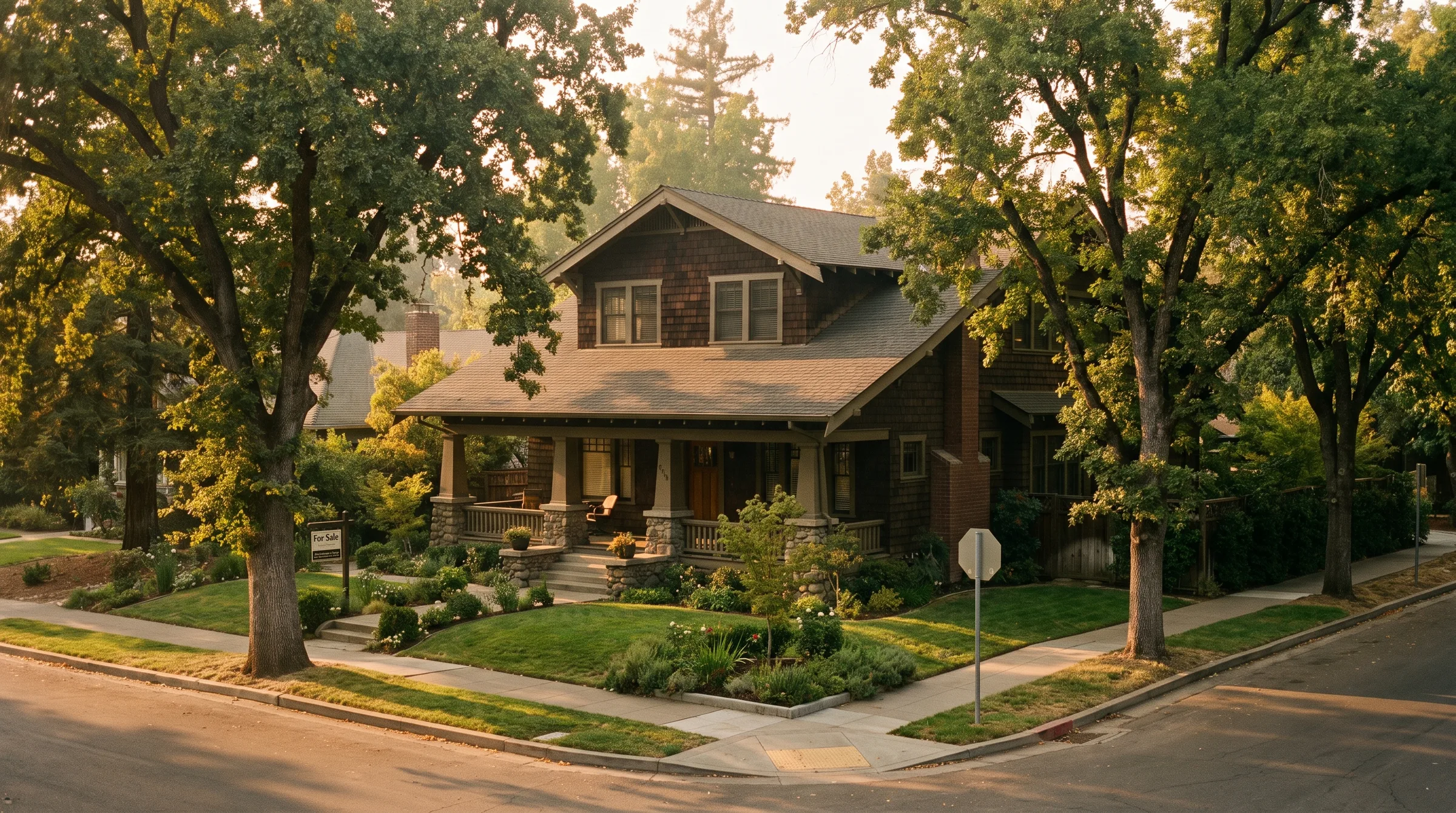
The urban core, from the historic Grid to established midtown and south-city neighborhoods, spans everything from Victorian flats to postwar bungalows. Homes here (95814, 95816, 95818, 95820) are largely 1900s-1950s core, mixed, and they tend to sell near the regional median. Darren buys across Sacramento in any condition.
Yes, you can sell a Sacramento house with tenants still living in it
If you are asking whether you can sell your house with tenants in California, the short answer is yes. A sale does not break an existing lease. The tenants stay, their lease or month-to-month arrangement transfers to the new owner, and you hand over the keys to the property rather than an empty house. For a lot of Sacramento landlords, that single fact changes the whole decision, because the hardest part of selling a rental is usually not the sale. It is the idea of getting people out first.
Darren B. Brown has been buying houses directly from Sacramento-area owners since 1996, and selling a house with tenants still living in it is the kind of sale he handles every week. He buys as-is for cash, with no repairs, no agent commissions, and no fees. He takes the property with the tenants in place, so you never have to start an eviction or wait for anyone to pack up. If you want the broader picture first, the main page on selling a house with tenants in Sacramento covers the basics, and this article goes deeper into how it plays out in the urban core.
Why vacating first is usually the harder road in California
Trying to empty a rental before you list it is where most landlords get stuck. California layers notice periods and just-cause rules on top of ordinary lease terms, and for many properties those rules come from California's Tenant Protection Act. Depending on how long the tenant has lived there and what kind of property you own, you may not be able to simply ask them to leave because you want to sell. You would need to understand which rules apply to your specific situation before you even send a letter.
When a tenant does not move after notice, the next step is court, and the California courts' eviction self-help guide shows how many steps that path involves. Meanwhile, you are still paying the mortgage, insurance, and property taxes on a house you are trying to leave behind. Selling to an investor buyer like Darren sidesteps all of that. You do not have to decide whether you qualify for a no-fault termination, and you do not have to manage a tense relationship with someone who knows you are trying to move them out of their home.
What tenant-occupied homes in the Grid and the older core really look like
Sacramento's urban core is not a uniform market. From the historic Grid downtown to midtown and the established south-city neighborhoods, the housing stock runs from Victorian flats to postwar bungalows. In zip codes like 95814, 95816, 95818, and 95820, most homes were built somewhere between the 1900s and the 1950s. Many of them have been rentals for decades, passed from one landlord to the next, with each owner patching what broke rather than renovating.
That history matters when you sell with tenants in place. A Victorian that was split into flats years ago may have quirky layouts, older wiring, or plumbing that has been worked on in layers. A 1940s bungalow in the south part of the city may have original windows, a tired roof, or a detached garage that has seen better days. A retail buyer's lender and inspector will flag those things, and you cannot easily fix them while someone lives there. Darren buys across Sacramento in any condition, so the age and wear typical of the core do not stand between you and a closing.
How a tenant changes a traditional listing
On the open market, a tenant-occupied house has to work around people's lives. Agents need access for photos, showings, open houses, and inspections, and every one of those requires proper notice to the tenant. A tenant who is cooperative can still have work schedules, kids, pets, and a perfectly reasonable desire not to have strangers walking through their bedroom every weekend. A tenant who is unhappy about the sale can make the house look and feel its worst.
The buyer pool also shrinks. Most families buying a home to live in want it empty, and they may not want to inherit a lease. That leaves investors, who will usually price in the hassle anyway. Listed homes in the area typically sit for 33 days on the market, and that is for houses that show well and are easy to access. A rental with people inside often takes longer, and any buyer whose financing falls through sends you back to the start with another round of showings to coordinate.
What happens to the lease, rent, and security deposit at closing
The lease and security deposit transfer with the property at closing. You do not have to chase anyone down, return deposits yourself, or renegotiate terms. Whether your tenant is on a signed lease with months remaining or has been month-to-month for years, that arrangement simply moves to Darren as the new owner. From the tenant's point of view, the main change is who they pay rent to and who they call when the water heater goes out.
That continuity is good for everyone. Your tenant is not displaced, which takes a lot of the emotional weight off the sale. You avoid the risk of a vacancy period where the house earns nothing. And you can step away cleanly. It helps to gather what you have before you call: a copy of the lease if one exists, the current rent amount, the deposit you are holding, and any notes on repairs the tenant has requested. If you are newer to this, the page on selling a rental property with tenants in Sacramento walks through similar preparation.
When the tenant situation is more complicated
Not every tenant-occupied sale involves a cooperative renter paying on time. Some landlords are dealing with someone who has stopped paying, a relative or former friend who moved in without a written agreement, or a person occupying the house who was never a tenant at all. These situations are exactly why many owners decide to sell instead of fighting it out, because each one carries its own legal process and its own costs.
If rent has stopped, the page about selling a house with non-paying tenants is a better fit for your circumstances. If someone is living there without any right to be there, read about selling a Sacramento house with squatters. In either case, be upfront with Darren about what is going on. A buyer who already knows the situation can price it honestly and plan for it, and you will not get surprised by a deal that falls apart late because the occupancy issue came to light after the fact.
Inherited rentals and tired landlords in the urban core
A lot of the tenant-occupied homes in midtown and the south-city neighborhoods come to sellers who never planned to be landlords. A parent bought a bungalow in the 1970s, rented it out after moving, and now it belongs to the kids, who live out of state or simply do not want late-night maintenance calls. Others have been landlords for twenty years and are ready to stop. In both cases, the tenant is often a long-term resident who has become part of the house's story.
If you inherited the property, there may be estate steps to handle before you can sell, and our guide to selling an inherited rental in Sacramento explains how that tends to work. Selling with the tenant in place is often the kindest path for a long-term renter, too. They keep their home, and you keep your weekends. Specific neighborhoods have their own flavor, so if your property is near the Grid's tree-lined streets, see the page on selling a tenant-occupied home in Midtown.
Pricing, proceeds, and the questions worth asking before you sell
Homes around Sacramento tend to sell near the regional median, which sits at $585,000 for the Sacramento area as of mid-2026. Your own number will depend on the house, its condition, the rent, and the lease terms, and Darren will give you a fair, no-obligation offer either way. Because he covers standard closing costs and there are no agent commissions, what you see in the offer is much closer to what you actually walk away with than a list price would be.
Before you decide, think about the tax side. A rental property is treated differently from a primary residence, and IRS Topic 409 on capital gains is a good starting point for understanding the basics. Talk with your own tax professional about your situation, since Darren cannot give tax advice. It is also wise to confirm that any buyer you work with is legitimate. Darren is a licensed California broker, DRE #01295232, and you can verify any license through the state yourself before signing anything.
Why sellers choose a local buyer over a national one
When you search for cash home buyers in Sacramento, you will find plenty of national buyers and middlemen whose business is putting a house under contract and then reselling that contract to someone else. With a tenant-occupied property, that approach can be especially rough. The person you spoke with may never see the house, the real buyer may change, and your tenant may get a string of unfamiliar visitors before anything closes.
Darren is the actual buyer. He has bought homes from Sacramento owners for more than 30 years, and he is a retired Air Force veteran who runs his business on straightforward terms: he tells you what he can pay and why, and then he does what he said. He knows the difference between a Victorian flat off a downtown street and a postwar bungalow further south, and he knows how to treat a tenant respectfully during a transition. If your home sits in a nearby area, you can also read about selling a rented home in East Sacramento.
Selling your Sacramento rental fast, on your timeline
If you need to sell your house fast in Sacramento and it has tenants in it, a direct sale gives you control most landlords do not have with a listing. Darren can close in as few as 10 days, but you pick the date. Some owners want it done quickly to stop the monthly carrying costs. Others want to wait until after a tax deadline, a family decision, or the end of a school year so the tenant has some breathing room. Either way, the timing is yours.
Getting started is simple and there is no obligation. Call Darren at (916) 300-7962, tell him about the property and the tenant, and he will usually come back with a cash offer within 24 to 48 hours. If you would rather start with a broader look at how he buys houses in Sacramento, see we buy houses in Sacramento. Either way, you will get an honest number and a clear explanation, and you can decide what is right for you and the people living in your house.